This article may contain affiliate links. Sense and Evidence may earn a commission on purchases made through these links, at no additional cost to you. This does not influence our clinical evaluations. These statements have not been evaluated by the Food and Drug Administration. This product is not intended to diagnose, treat, cure, or prevent any disease.
In today’s fast-paced world, where technology and information abound, maintaining both brain function and visual health is more important than ever. Our brain not only governs our cognitive abilities but also plays a significant role in how we perceive and interact with the world around us. Consequently, engaging in activities that enhance brain function and support visual health is paramount. In this article, we will explore five simple exercises that can elevate your cognitive capabilities and improve your eyesight, all while promoting overall well-being.
The Interconnectedness of Brain Function and Vision
Before diving into the exercises, it’s crucial to understand how brain function and visual health are intertwined. The brain processes visual information, allowing us to interpret our surroundings and make decisions based on that input. Poor brain health can lead to deterioration in how the eyes function, while declining visual health can strain cognitive processes. This relationship between the two highlights the necessity of engaging in activities that foster both aspects of health.
1. Physical Exercise: Elevating Brain and Eye Health
When we think about boosting brain function, physical exercise often tops the list. Engaging in regular aerobic exercise—such as running, walking, dancing, or swimming—greatly enhances overall brain health. This type of exercise increases blood flow to the brain, delivering essential oxygen and nutrients and stimulating the production of brain-derived neurotrophic factor (BDNF), which supports neuron growth and repair.
Moreover, aerobic exercises have been linked to improved memory and cognitive function, particularly in older adults. A study published in the journal Frontiers in Psychiatry indicates that maintaining an active lifestyle can significantly reduce the risk of cognitive decline (source: Health Shots). Similarly, regular physical activity has benefits for visual health as it helps maintain a healthy weight and reduces the risk of conditions such as diabetes, which can affect vision.
To incorporate this exercise into your routine, consider aiming for at least 150 minutes of moderate aerobic activity per week. Choose activities you enjoy—whether it’s a brisk walk in the park or a dance class—and make it a point to stay consistent. Not only will this improve your physical health, but it will also sharpen your cognition and preserve your eyesight.
2. Mindfulness and Meditation: Nurturing the Brain Mindfully
Mindfulness and meditation exercises have gained popularity in recent years, and for good reason. These practices promote relaxation and reduce stress, which can have a profound impact on brain function. When we practice mindfulness, we engage our cognitive processes and improve attention and focus. Moreover, research has shown that mindfulness meditation can enhance the gray matter density in the brain, which aids in better memory, emotional regulation, and cognitive skills.
In addition to cognitive benefits, mindfulness has been combined with visual exercises, such as focusing on an object while regulating breathing, to improve vision clarity and concentration. A study indicated that mindfulness can help alleviate visual discomfort and reduce eye strain during prolonged screen time (source: Healthline). Our NeuroPure Review 2026: Does This Neuropathy Formula Work? covers related research worth reviewing.
To get started with mindfulness and meditation, dedicate a few minutes each day to sit quietly and focus on your breath. Allow your thoughts to flow without judgment, and gradually introduce visualization techniques by picturing a serene scene or focusing intently on a single object. As you cultivate this practice, you will likely notice improvements in both brain function and visual acuity.
3. Cognitive Training: Engaging the Brain in Play
Cognitive exercises, such as puzzles, memory games, and brain-training apps, offer a unique approach to improving mental acuity. Tasks like crosswords, Sudoku, and even video games can enhance problem-solving skills, memory, and processing speed. Engaging in these activities has shown to benefit cognitive function and may help protect against age-related cognitive decline.
Studies have shown that regular engagement in cognitive training can improve overall brain function. A systematic review indicated that individuals who participated in mentally stimulating activities had a reduced risk of developing dementia later in life (source: Medical News Today). These kinds of exercises not only keep the mind active but also enhance visual skills, as they often involve recognizing patterns, shapes, and problem-solving.
Set aside time each week for cognitive training activities. Whether you prefer traditional puzzles, mobile apps, or online games, make this a fun part of your routine. By challenging your brain, you’re not only improving cognition but also sharpening your visual perception as you actively engage in recognizing and interpreting visual data.
4. Healthy Diet: Feeding the Brain and Eyes
Nutrition plays a vital role in maintaining brain function and eye health. A balanced diet rich in antioxidants, omega-3 fatty acids, vitamins, and minerals can significantly benefit cognitive performance and support healthy vision. Foods such as leafy greens, fatty fish, berries, nuts, and whole grains contain essential nutrients that protect against oxidative stress, support brain health, and promote good eyesight.
For instance, omega-3 fatty acids found in fatty fish (like salmon) are known to support memory and cognition. Similarly, lutein and zeaxanthin, found in green leafy vegetables, contribute to eye health and are linked to a decreased risk of age-related macular degeneration. Incorporating these foods into your diet fosters a holistic approach to health that nourishes both your brain and your eyes.
Aim for a colorful plate filled with diverse nutrients each day. The more vibrant the fruits and vegetables, the richer the nutrients. Cooking with herbs and spices instead of salt can enhance flavor while providing additional health benefits. By committing to a nutritious diet, you’re laying the groundwork for long-term cognitive and visual vitality.
5. Sleep and Rest: Essential for Recovery
Finally, never underestimate the power of a good night’s sleep. Sleep is the time when the brain processes information, consolidates memories, and repairs itself. A consistent lack of sleep can have detrimental effects on cognitive functions such as attention, problem-solving, and decision-making. Additionally, studies have highlighted a strong connection between adequate sleep and better eyesight, as restorative sleep allows the eyes to recover from strain and maintain focus.
Establishing a regular sleep schedule is important for ensuring quality rest. Aim for 7-9 hours of uninterrupted sleep, creating a calming bedtime routine that promotes relaxation. Limit screen time before bed and consider activities such as reading a book or practicing gentle stretches to wind down.
Integrating restful practices into your routine doesn’t just improve sleep quality but also enhances cognitive function and visual health. You’ll wake up feeling refreshed and more mentally alert, ready to take on the day with clarity and focus.
Conclusion
Improving brain function and visual health is not only possible; it is entirely achievable with simple, enjoyable exercises that fit seamlessly into your daily life. By incorporating physical activity, mindfulness, cognitive training, nourishing foods, and restful sleep into your routine, you can enhance your cognitive abilities and preserve your eyesight.
Embrace these habits and make them part of your lifestyle. The benefits are multifaceted, extending beyond immediate cognitive enhancements to long-term health and well-being. Prioritize your brain and visual health today—with consistent effort, you will reap the rewards for years to come. Your brain and eyes are deserving of this care and attention, and the journey toward healthier living begins now.
Related Articles
- How a Balanced Diet Supports Both Brain and Eye Health
- How Much Can Diet and Supplements Improve Mental Clarity?
- How Digital Detoxing Can Improve Focus and Mental Clarity
- The Benefits of Mindfulness for Brain, Vision, and Energy
*These statements have not been evaluated by the Food and Drug Administration. This product is not intended to diagnose, treat, cure, or prevent any disease. Always consult with a qualified healthcare professional before starting any new supplement or health program, especially if you have existing medical conditions or take prescription medications.
 In a world where the pace of life accelerates daily, prioritizing our health has never been more crucial. Among the various approaches to maintaining wellness, understanding the role of antioxidants in brain health and longevity is paramount. These powerful compounds, often associated with fruits and vegetables, serve as allies in the battle against oxidative stress—a leading cause of neurodegenerative diseases and cognitive decline. This article endeavors to explore the intricate relationship between antioxidants and brain health, shedding light on their protective mechanisms, sources, and significance in promoting longevity.
 A balanced diet is often heralded as a cornerstone of good health, affecting everything from our physical fitness to our mental well-being. However, its importance extends far beyond these aspects, playing a vital role in supporting the intricate functions of two of our most precious organs: the brain and the eyes. Recent research emphasizes the profound connection between nutrition, cognitive function, and visual health, illustrating the myriad ways our dietary choices influence our brain performance and visual acuity.
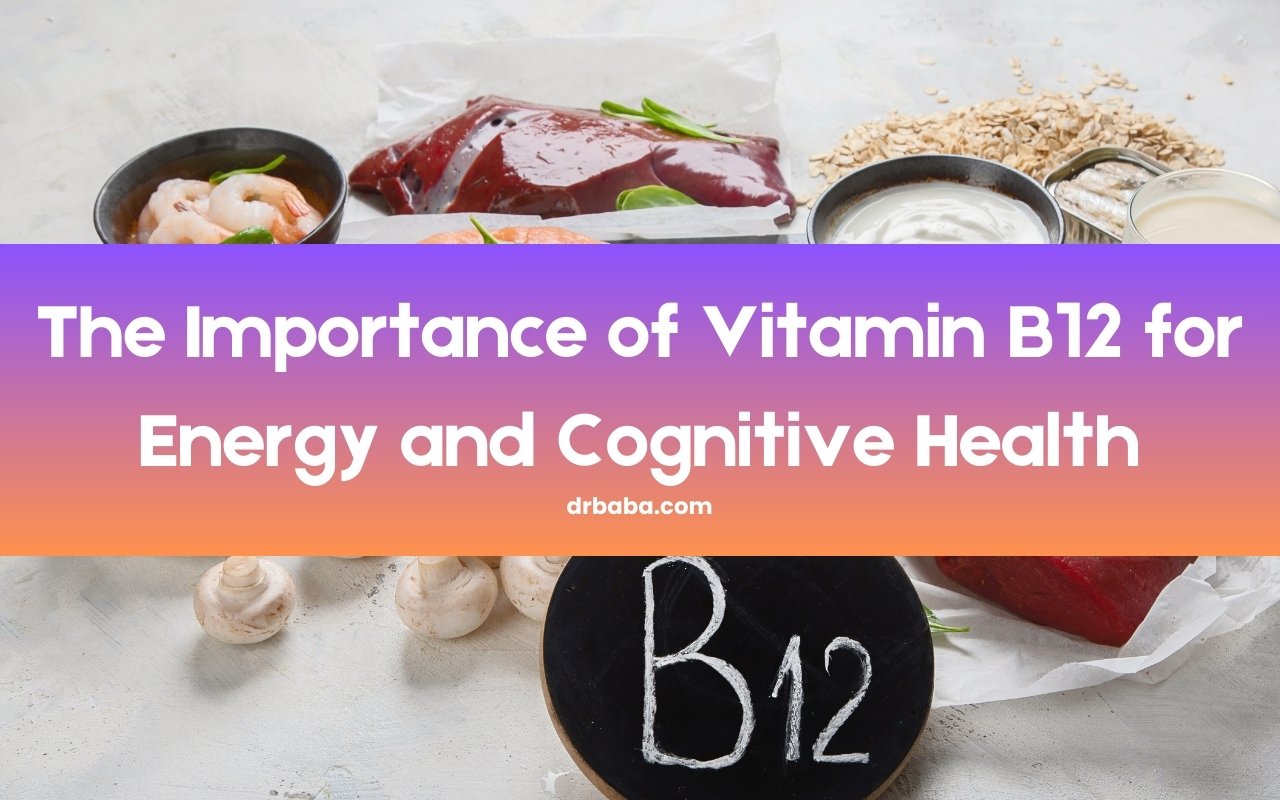 Vitamin B12, also known as cobalamin, is an essential nutrient that plays a crucial role in maintaining energy levels and supporting cognitive health. It is one of the eight B vitamins, each of which contributes to various bodily functions, particularly the conversion of food into energy. Vitamin B12 is unique in its significance not only for energy production but also for the health of nerve tissues and the formation of red blood cells. Understanding the multifaceted benefits of vitamin B12 can empower individuals to make informed dietary choices and consider supplementation when necessary.
 The human brain, often referred to as the control center of our body, is a remarkable organ that requires an appropriate balance of nutrients to function optimally. As we navigate through our daily lives, the importance of our brain’s health cannot be overstated. The food we consume plays a crucial role in maintaining cognitive function, enhancing focus, and supporting overall mental clarity. In this article, we will explore several vital nutrients that can significantly influence brain health and improve our mental acuity.
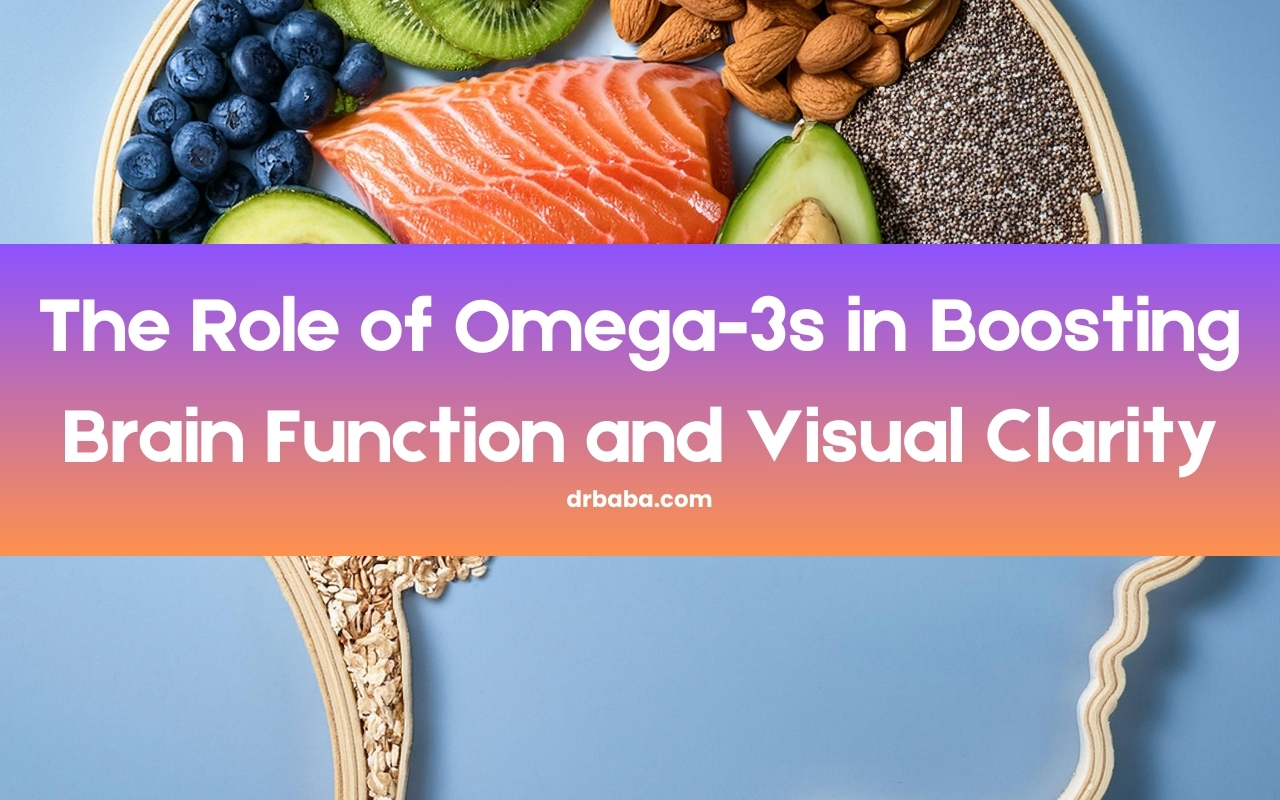 Omega-3 fatty acids have emerged as a crucial component in promoting overall health and well-being, particularly concerning cognitive function and visual clarity. These essential fats, which include eicosapentaenoic acid (EPA) and docosahexaenoic acid (DHA), are primarily found in fatty fish such as salmon, mackerel, and sardines, as well as in plant-based sources like flaxseeds and walnuts. Research shows that Omega-3s are not just beneficial; they are vital for maintaining brain health, enhancing memory, supporting mood regulation, and ensuring proper visual functioning.